

In Uganda, nonprofits, vocational training has emerged as a lifeline, equipping young people with skills to create jobs rather than seek them. With a growing economy that demands skilled labor, these training programs are becoming a vital tool for empowering young people to secure meaningful jobs. As traditional career paths continue to evolve, vocational training offers an alternative that equips students with hands-on skills tailored to the job market’s needs.
In this article, we will explore The Heart and Hands Foundation (HHF), a Kyenjojo-based NGO, that has set a goal to reduce unemployment in its target communities through its Hands Foundation Vocational Institute, From electrical work to hospitality, the diverse offerings not only foster individual talents but also stimulate local economies.
This guide unpacks their proven model, offering NGOs actionable steps to replicate this success. Join us as we uncover the success stories, the significance of these programs and their pivotal role in shaping a skilled workforce, Learn actionable strategies for NGOs to replicate this success, backed by 85% job creation rates.
The Importance of Vocational Training for Youth
Vocational training has proven to be a cornerstone in shaping the future of Uganda. Traditional education systems, while valuable, often fail to provide the practical skills needed in the contemporary job market. This gap leaves many young people unequipped to secure meaningful employment. Vocational training, however, offers a pragmatic solution by equipping youth with marketable skills that are directly applicable to various industries. From electrical work to hospitality, these programs provide the hands-on experience that employers seek, making graduates of vocational training programs highly competitive in the job market.
Moreover, vocational training fosters entrepreneurship among young people. With the skills acquired, many graduates are able to start their own businesses, creating jobs for themselves and others. This aspect of vocational training is particularly crucial in Uganda, where the formal job market cannot absorb all the job seekers. By empowering youth to become job creators rather than job seekers, vocational training addresses the unemployment issue from a grassroots level. It instills a sense of self-reliance and confidence, essential traits for any successful entrepreneur.
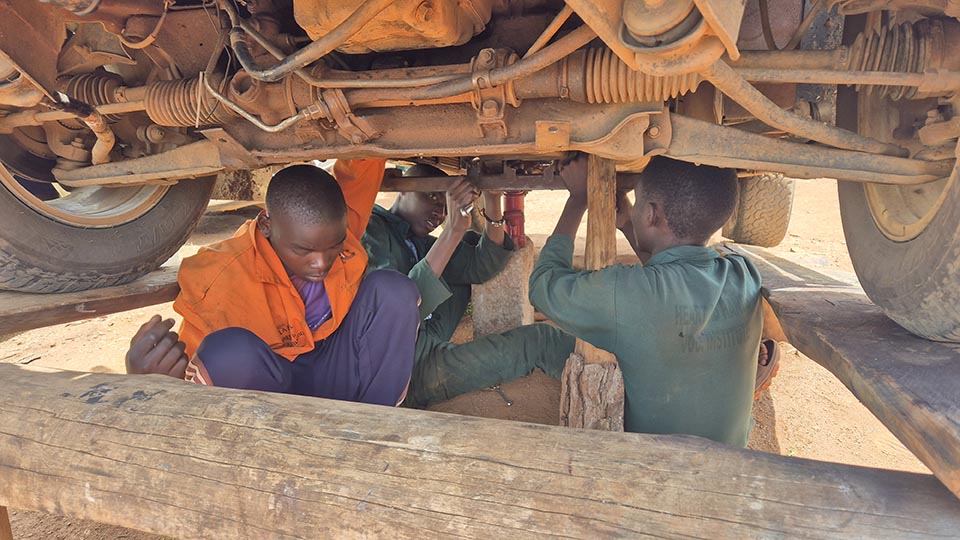
Additionally, vocational training contributes to the overall economic development of the country. Skilled workers are the backbone of any thriving economy, and by producing a workforce proficient in various trades, vocational training programs ensure that Uganda can meet the demands of its growing economy. Whether it’s in construction, agriculture, or information technology, the diverse skills fostered through vocational training programs are instrumental in driving economic growth and development.
Current State of Youth Employment in Uganda
The current state of youth employment in Uganda paints a picture of both challenges and opportunities. With over 78% of its population below the age of 30, Uganda has one of the youngest populations in the world. However, this demographic advantage is marred by high unemployment rates. According to recent statistics, youth unemployment rates in Uganda are estimated to be as high as 13.3%, with underemployment affecting a significant portion of the young workforce. Many young people find themselves in informal and precarious jobs that offer little job security or prospects for advancement.
The education system in Uganda, heavily focused on academic learning, often leaves graduates without the practical skills needed in the job market. This mismatch between education and employment needs is a critical factor contributing to youth unemployment. Many young people, after years of formal education, find themselves unable to secure jobs in their fields of study. This scenario calls for a shift towards more practical and skill-based training programs that can better prepare youth for the demands of the labor market.
Despite these challenges, there are glimmers of hope. The Ugandan government, along with various NGOs, has recognized the need for vocational training and is investing in programs aimed at equipping youth with the necessary skills for employment. These initiatives are beginning to show positive results, with many young people successfully transitioning from training programs into gainful employment. The focus on vocational training is a step in the right direction, offering a viable pathway for youth to secure meaningful and sustainable employment.
Key Vocational Training Programs Available
Uganda boasts a variety of vocational training programs designed to cater to the diverse interests and aptitudes of its youth. One notable program is the Hands Foundation Vocational Institute, run by the Heart and Hands Foundation (HHF) in Kyenjojo. This institute offers courses in fields such as electrical work, carpentry, tailoring, and hospitality. The curriculum is designed to provide both theoretical knowledge and practical skills, ensuring that graduates are well-prepared for the job market.
Another significant program is the Youth Livelihood Programme (YLP), initiated by the Ugandan government. This program targets unemployed and underemployed youth, providing them with vocational training in various trades. The YLP also offers financial support and mentorship to help young people start their own businesses. By combining training with financial assistance, the YLP ensures that participants have both the skills and resources needed to succeed.
In addition to these programs, several NGOs are actively involved in vocational training. For instance, the Uganda Youth Skills Training Organization (UYSTO) offers training in areas such as agriculture, mechanics, and information technology. UYSTO’s approach is holistic, providing not only technical skills but also life skills training to help youth navigate the challenges of adulthood. These programs, among others, are instrumental in bridging the gap between education and employment, providing youth with the tools they need to thrive in the job market.
Impact of Vocational Training on Skill Development
The impact of vocational training on skill development cannot be overstated. These programs are specifically designed to equip participants with practical, job-ready skills that are in high demand across various industries. For instance, training in electrical work involves both classroom instruction and hands-on practice, allowing students to develop a deep understanding of the trade. This dual approach ensures that graduates are not only knowledgeable but also capable of performing tasks efficiently and effectively.
Moreover, vocational training programs often include components that foster soft skills such as communication, teamwork, and problem-solving. These skills are crucial in any work environment and are often overlooked in traditional education systems. By including soft skills training, vocational programs ensure that graduates are well-rounded individuals who can adapt to different work settings and collaborate effectively with colleagues.
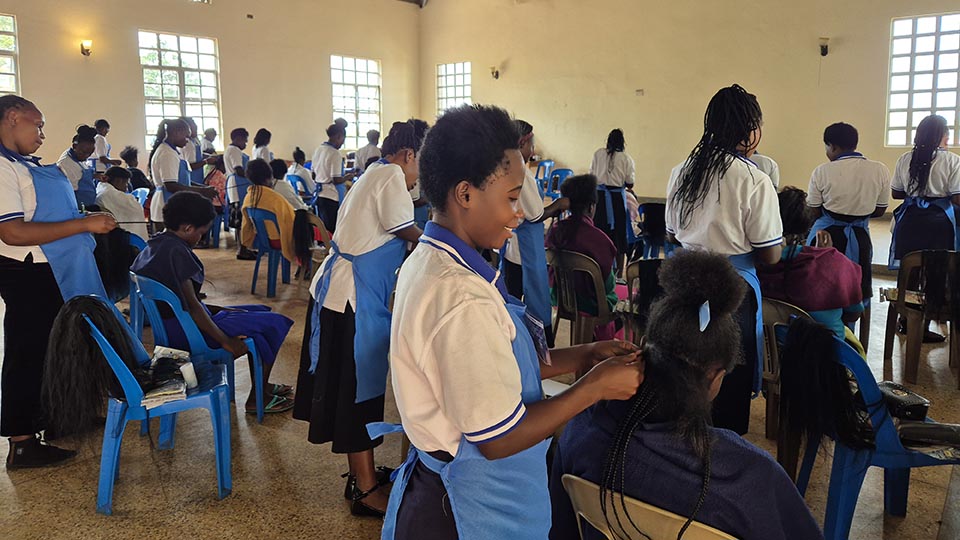
The success of vocational training in skill development is evident in the high employment rates among graduates. Many vocational training programs report job placement rates of over 85%, a testament to the effectiveness of these programs in preparing youth for the job market. Graduates not only find jobs more easily but also tend to secure higher wages compared to their peers who lack vocational training. This positive outcome underscores the critical role of vocational training in enhancing employability and improving the economic prospects of young people.
Success Stories: Youth Who Transformed Their Lives
The Heart and Hands Foundation (HHF) has empowered countless young Ugandans through vocational training, turning challenges into opportunities. Here are two documented success stories from their programs:
- Nakato’s Journey from Tailoring Student to Entrepreneur
Nakato, a young mother from Kyenjojo District, enrolled in HHF’s tailoring program after dropping out of secondary school. Through hands-on training, she mastered garment-making and business management. Upon graduating, HHF provided her with a sewing machine and startup capital. Today, Nakato runs a thriving tailoring workshop in her village, employing three other women. “HHF gave me more than skills—they gave me hope,” she says. Her business now generates enough income to support her children’s education and reinvest in her community. - Okello’s Rise in Agribusiness
Okello, a former subsistence farmer, joined HHF’s agribusiness training program to learn climate-smart farming techniques. Equipped with knowledge in organic practices and solar irrigation, he transformed his small plot into a profitable eco-farm. Now, Okello mentors 30+ farmers in his community, teaching them to grow drought-resistant crops like cassava and millet. His efforts have boosted local food security and inspired a cooperative that sells produce regionally.
These stories reflect HHF’s measurable impact:
- 1,000+ widows trained in agribusiness and vocational skills.
- Hundreds of youth annually graduate from the Hands Foundation Vocational Institute, with many launching workshops.
Challenges Facing Vocational Training in Uganda
Despite the numerous benefits, vocational training in Uganda faces several challenges that hinder its effectiveness. One of the primary challenges is the lack of adequate funding. Many vocational training centers operate on limited budgets, which affects the quality of training they can provide. Insufficient funding often leads to outdated equipment, inadequate training materials, and poorly maintained facilities. This lack of resources can compromise the quality of education and limit the scope of training programs.
Another significant challenge is the social stigma associated with vocational training. In many communities, vocational training is seen as a last resort for those who are unable to succeed in traditional academic paths. This perception discourages many young people from enrolling in vocational programs, despite their potential benefits. Changing these societal attitudes requires concerted efforts from all stakeholders, including the government, NGOs, and the private sector.
Additionally, there is a need for better alignment between vocational training programs and industry demands. While many programs offer valuable skills, there is often a disconnect between what is taught and what employers need. To address this issue, vocational training centers must engage with industry stakeholders to ensure that their curricula are relevant and up-to-date. This collaboration can help bridge the gap between training and employment, ensuring that graduates possess the skills needed in the job market.
Government and NGO Initiatives Supporting Vocational Training
Recognizing the importance of vocational training, both the Ugandan government and various NGOs have launched initiatives to support these programs. The government, through the Ministry of Education and Sports, has implemented policies aimed at promoting vocational education and training (VET). These policies include the establishment of technical and vocational education and training (TVET) institutions, which offer specialized courses in various trades. The government also provides funding and resources to support these institutions, ensuring that they can deliver high-quality training.
NGOs play a crucial role in complementing government efforts by providing additional resources and expertise. Organizations such as the Heart and Hands Foundation (HHF) have been instrumental in setting up vocational training centers in underserved communities. HHF’s Hands Foundation Vocational Institute is a prime example of how NGOs can successfully implement vocational training programs. By offering courses in high-demand trades and providing hands-on training, HHF has helped countless young people secure employment and improve their livelihoods.
Moreover, international organizations and development partners have also contributed to the growth of vocational training in Uganda. Through funding and technical assistance, these partners support various initiatives aimed at enhancing the quality and accessibility of vocational training. For instance, the United Nations Development Programme (UNDP) and the International Labour Organization (ILO) have funded projects that provide vocational training to marginalized youth. These collaborative efforts ensure that vocational training programs are sustainable and can reach a wider audience.
Future Trends in Vocational Training and Employment: HHF’s Green Revolution
As Uganda and the world pivot toward sustainable development, Heart and Hands Foundation (HHF) is pioneering vocational training programs that align with global shifts away from fossil fuels and toward green economies. Central to this vision is the HHF Greenhouse Initiative, a flagship project integrating climate-smart agriculture, renewable energy, and digital innovation to empower youth while addressing environmental challenges.
1. Green Technology Integration
The rise of digital tools in sustainable industries is reshaping vocational training. HHF’s Greenhouse Initiative now trains youth in precision agriculture technologies, such as solar-powered soil sensors and drip irrigation systems. These skills reduce reliance on fossil fuel-dependent machinery while optimizing crop yields. For example, graduates of HHF’s agribusiness programs use mobile apps to monitor soil health and weather patterns, merging traditional farming with cutting-edge tech.
HHF’s Impact:
- Solar Energy Training: Over 200 solar-powered irrigation systems installed in Kyenjojo farms, displacing diesel pumps and cutting energy costs by 60%.
- Digital Literacy: Vocational courses now include modules on data-driven farming, preparing youth for roles in Uganda’s growing agritech sector.
2. Sustainable Agriculture & Renewable Energy
HHF’s Greenhouse Initiative prioritizes green job creation through hands-on training in sustainable practices. The Foundation’s eco-friendly farms serve as live classrooms where youth learn:
- Organic Farming: Composting, crop rotation, and pest management without chemical inputs.
- Renewable Energy Systems: Installation and maintenance of solar panels for irrigation and clean energy.
Expanding Green Curricula:
- New courses in biogas production (using agricultural waste) and solar engineering are being piloted, funded by partnerships with climate-focused NGOs.
- Impact: 50+ eco-farms established, providing models of fossil fuel-free agriculture.
3. Lifelong Learning for a Circular Economy
As industries evolve, HHF emphasizes continuous upskilling to keep pace with green innovations. The Greenhouse Initiative offers:
- Modular Workshops: Short-term courses on emerging topics like carbon credit management and eco-tourism.
- Community Train-the-Trainer Programs: Graduates become sustainability ambassadors, teaching peers to adopt solar energy and waste recycling.
Aligned with Global Trends:
- Fossil Fuel Transition: By training youth in solar tech and biogas, HHF reduces reliance on charcoal and diesel, directly addressing Uganda’s deforestation and air pollution crises.
- Circular Economy Skills: Waste recycling projects turn plastic into eco-bricks for school benches, blending vocational training with environmental stewardship.
The Road Ahead
HHF’s Greenhouse Initiative is more than a training program—it’s a blueprint for Uganda’s green workforce. By aligning vocational education with global sustainability goals, HHF ensures youth are not just job-ready but planet-ready, equipped to lead a future free from fossil fuels.
Conclusion: The Path Forward for Ugandan Youth
Uganda’s youth hold the key to the nation’s future, and at Heart and Hands Foundation (HHF), we offers a viable pathway to achieve these goals through vocational training rooted in sustainability, innovation, and faith. By equipping young people with skills in solar technology, eco-friendly agriculture, and digital literacy, HHF’s Hands Foundation Vocational Institute has already transformed hundreds of lives—turning school dropouts into entrepreneurs, farmers into climate champions, and women into community leaders.
However, the journey is far from over. To scale this impact, we must:
- Strengthen Partnerships: Collaborate with governments, NGOs, and corporations to expand access to tools like solar panels and vocational scholarships.
- Challenge Stereotypes: Continue advocating for vocational training as a dignified, impactful career path through community workshops and success stories.
- Innovate Relentlessly: Integrate emerging fields like biogas production and agritech into curricula, ensuring youth lead Uganda’s green transition.
Thank you for taking the time to learn about HHF’s work. Every skill taught, every tree planted, and every microloan granted is a step toward a brighter future for Uganda’s youth. But we cannot do this alone.
Join Us in Building Tomorrow:
- Donate: $300 sponsors a vocational trainee’s toolkit and training.
- Volunteer: Share your expertise in solar tech, farming, or mentorship.
- Partner: Align your organization with HHF’s mission through CSR initiatives.
Together, guided by faith and fueled by action, we can empower a generation to thrive.
Visit heartandhandsfoundation.org/donate to make a difference today.