
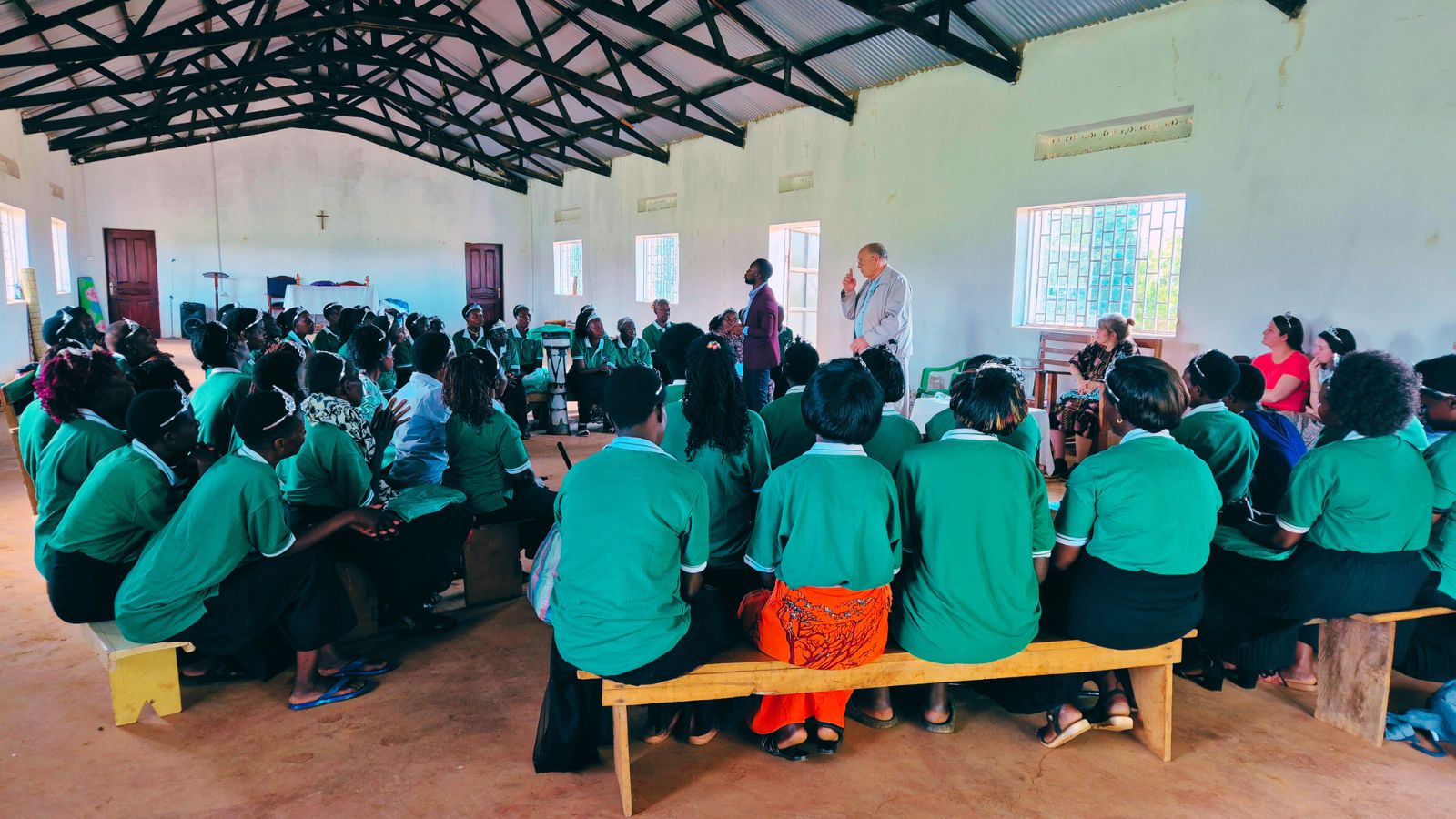
By combining sustainable farming techniques with access to drought-resistant seeds and ongoing mentorship, we enable women-led households to generate stable incomes, improve food security, and foster community resilience. Our key objectives are:
- Train widows in sustainable agronomic practices that maximize yield and minimize environmental impact.
- Distribute high-quality, drought-resistant seed varieties tailored to local climatic conditions.
- Establish women’s agribusiness cooperatives for collective marketing, savings, and knowledge-sharing.
- Provide ongoing extension support through field visits, peer mentors, and digital advisory tools.
Why Agribusiness? Transforming Challenges into Opportunities
Widows in rural Uganda often face land tenure insecurity, lack of capital, and limited agronomic knowledge. Yet agriculture remains the backbone of the rural economy. By focusing on agribusiness, we turn these challenges into sustainable opportunities:
- Land Utilization: Even small plots become productive through intensive, high-value cropping.
- Resilience to Climate Variability: Drought-resistant seeds safeguard harvests, reducing crop failure risk.
- Market Linkages: Forming cooperatives helps widows negotiate better prices and access value-addition channels.
- Nutrition & Food Security: Growing nutrient-dense crops benefits entire households, improving health outcomes.
Component 1: Sustainable Farming Training
Our training curriculum covers:
- Soil Health Management
- Soil testing and interpretation of results.
- Application of organic fertilizers (compost, manure) to rebuild fertility.
- Crop rotation and intercropping patterns to prevent nutrient depletion and pests.
- Water Management & Conservation
- Mulching techniques to retain soil moisture.
- Construction of rainwater harvesting systems (e.g., micro-catchments, storage tanks).
- Drip irrigation basics using cost-effective materials.
- Integrated Pest Management (IPM)
- Identification of common pests (e.g., aphids, armyworms).
- Low-toxicity, botanical pesticides (e.g., neem oil sprays).
- Biocontrol agents such as beneficial insects.
- Post-Harvest Handling
- Proper drying and storage to reduce losses.
- Basic value-addition techniques (e.g., sun-dried fruits, groundnut paste).
- Marketing packaging and labeling best practices.
Each module blends classroom instruction with hands-on field sessions, ensuring women master techniques before applying them on their own plots.
Component 2: Distribution of Drought-Resistant Seeds
A critical barrier to successful harvests in Kyenjojo’s semi-arid areas is seed quality. We address this by:
- Partnering with certified seed producers to procure legumes (cowpeas, pigeon peas), cereals (millet, sorghum), and oilseeds (sesame) bred for drought tolerance.
- Equipping each widow with an initial allotment of seeds sufficient for 0.25–0.5 acres, accompanied by planting calendars tailored to local rainfall patterns.
- Training on seed saving so that future planting cycles derive from locally adapted stock, reducing dependency on external suppliers.
Case Study:
“When I planted the pigeon pea seeds HHF gave me, the plants thrived where my previous maize crop failed,” shares Amina, a widow in Nyamwamba village. “I harvested enough to feed my children and sold the surplus for school fees.”
Component 3: Formation of Women’s Agribusiness Cooperatives
To amplify impact, we organize widows into cooperatives where they:
- Pool resources (tools, storage facilities, transport).
- Negotiate bulk purchases of inputs at discounted rates.
- Collaborate on value-addition, such as milling millet into flour or roasting groundnuts into paste.
- Operate group savings and loan schemes, facilitating reinvestment in seeds, tools, or livestock.
Our field officers guide cooperative leadership on good governance, record-keeping, and financial transparency, ensuring longevity and trust.
Component 4: Ongoing Extension Support & Digital Advisory
Sustained success requires continuous guidance:
- Monthly field visits by agronomists to troubleshoot crop issues and reinforce best practices.
- Peer-to-peer mentorship, pairing experienced agripreneurs with new participants.
- SMS-based advisory service, sending weather alerts, pest warnings, and timely agronomic tips in Runyoro-Rutooro and English.
- Quarterly farmer forums, enabling collective problem-solving and sharing success stories.
Measurable Impact & Success Stories
Since launching Subprogram 2, we have achieved:
- Enrollment of 200+ widows in sustainable agribusiness training.
- Planting of over 50 hectares with drought-resistant crops in Year 1.
- Average yield increases of 40–60%, compared to traditional seeds.
- Formation of 8 cooperatives, collectively saving over UGX 15 million (~USD 4,000) in one harvest cycle.
Success Story:
Grace, a 42-year-old widow, transformed her 0.3-acre plot into a thriving sesame farm. After selling her first harvest, she purchased two goats and reinvested in seeds. Today, she mentors five other widows and co-owns the local cooperative’s collection center.
Alignment with Christian Values
Our agribusiness initiative is rooted in faith:
- Service: We serve widows in their greatest time of need, reflecting Christ’s compassion.
- Stewardship: Sustainable farming honors God’s creation and resources.
- Empowerment: Equipping women aligns with the biblical mandate to care for widows and orphans.
We believe that by nurturing both the soil and the soul, we sow seeds of lasting transformation.
Looking Ahead
We plan to:
- Extend training to diversify into horticulture (fruits, vegetables).
- Introduce solar-powered cold-storage units to reduce post-harvest losses.
- Scale digital advisory through a mobile app integrating weather, market prices, and peer forums.
Through agribusiness for widows, we forge a path to economic independence, food security, and community resilience. Together, we cultivate hope and harvest empowerment.