
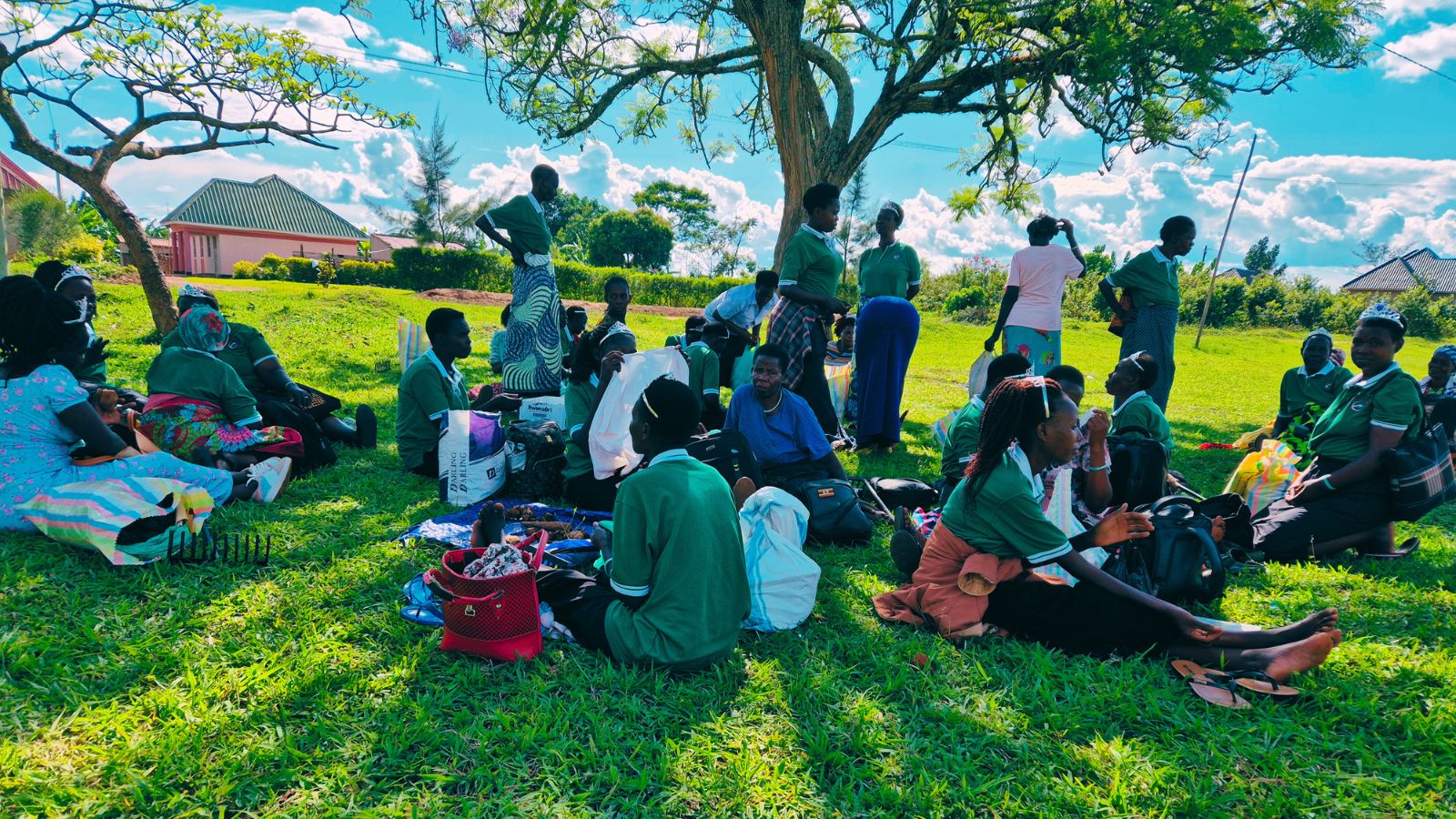
Uganda has made steady economic progress, but many women still struggle to convert their hard work into lasting prosperity. Women in Uganda contribute greatly to households and agriculture, yet they often face barriers in education, finance and training Empowering women with the tools and support they need is not just fair – it boosts the entire economy. Nonprofits and community groups are stepping in with proven strategies to empower women in Uganda economically. By providing loans, skills, market access, advocacy and strong networks, these organizations help women launch businesses, earn more income and lift their families out of poverty. This article explains five evidence-backed approaches that NGOs use to scale up their positive impact for women.
1. Empowering Women in Uganda with Financial Services
Access to credit and savings is a game-changer. Many women in Uganda lack bank accounts or collateral for loans, keeping them stuck in subsistence work. Nonprofits are filling this gap by offering microfinance, group savings programs and financial literacy training. For example, microloan programs by organizations like BRAC Uganda or FINCA give small cash injections to women entrepreneurs. These loans – often as little as $50 – allow women to buy seeds, livestock or goods for a small shop. By joining Village Savings and Loan Associations (VSLA), women save money together and lend to each other at low interest. Such community-based savings groups foster trust and allow even the poorest women to build credit histories.
- Microfinance & Savings Groups: NGOs partner with microfinance banks or create local savings clubs. Women learn how to pitch a business plan, access startup capital, and repay loans in weekly installments. A share of loan programs is reserved for women-owned startups This targeted lending increases the number of women-led businesses. Over time, women who received microloans often grow their enterprises, reinvest in training, and buy more assets for their families. In short, microfinance creates a virtuous cycle: as loans are paid back, the fund grows and more women benefit. One study notes Uganda’s financial inclusion strategy now specifically prioritizes female entrepreneurs through programs like the “2X Challenge,” aiming to invest billions in women’s businesses. Nonprofits complement this by educating women on savings, budgeting and even linking them to bank accounts.
- Financial Literacy Training: Just giving money isn’t enough; nonprofits also run workshops on budgeting, bookkeeping, and pricing. These sessions teach women how to separate business funds from household funds, plan for lean seasons, and set fair prices. For instance, Care International and Women for Women International have curricula that cover everything from calculating profits to negotiating with suppliers. By increasing financial know-how, women feel more confident and avoid common pitfalls like high-interest lending. As a result, women are better at managing and expanding their enterprises over time.
These efforts tackle a fundamental challenge: women often earn less and save less than men in Uganda. In sub-Saharan Africa, women generally earn about 30% less than men, even though they make up a majority of informal workers. By improving access to capital and money management, nonprofits help close that gap. With loans, savings habits and training, many women move from small-scale entrepreneurship to more stable, profitable businesses – scaling up their impact on the local economy.
2. Providing Vocational Skills and Education
Education and skills development are lifelong investments. Nonprofits in Uganda know that to scale economic impact, they must address skill gaps. They partner with vocational training centers, schools and community groups to teach women marketable trades. These programs often start in rural areas or slums, where formal jobs are scarce.
- Vocational Training Programs: Many NGOs offer workshops in sewing, carpentry, electrical work, or agricultural techniques. For example, in some villages, nonprofit trainers show women how to process cassava or coffee for sale, adding value to common crops. Other programs set up vocational training schools focusing on computer or entrepreneurship skills for young women. These short courses – from a few weeks to months – teach trades that lead to local employment or small business creation. For instance, SNV Uganda partners with farmers to teach improved farming methods and business record-keeping, so women farmers can earn more from their land. Over time, these skills translate into higher incomes and job creation.
- Supporting Girls’ Education: Building a pipeline of educated women starts early. Nonprofits and international agencies run scholarship and mentoring programs to keep girls in school, especially through secondary education. The gender gap in Uganda’s education is stark: while primary school enrollment is nearly equal, far fewer girls continue to higher grades. Some NGOs provide school fees, uniforms or learning materials specifically for girls. They also create girls’ clubs to encourage leadership and career guidance. By investing in girls, nonprofits ensure the next generation of Ugandan women have the literacy and confidence to participate fully in the economy. Educated women are more likely to start small businesses or rise to leadership positions.
In short, training equips women with expertise to earn higher wages or run firms. Education also indirectly reduces dependence on male-dominated jobs. As one source notes, women in Uganda already hold significant economic roles, yet female employment is often stigmatized. Nonprofits counteract this by validating women’s work through certification or market connections. Skills training programs show women – and their communities – that a trained woman can succeed as a tailor, mechanic, or agri-entrepreneur, thereby shifting cultural views in the long run.
3. Leveraging Technology and Market Access
Today’s women entrepreneurs benefit hugely from technology and new markets. Even in rural Uganda, mobile phones and the internet are unlocking opportunities. Nonprofits help women get online, sell beyond their villages, and use financial tech to save and pay.
- Digital Literacy and Online Marketing: NGOs are training women to use social media and online marketplaces to sell products. For example, a rural women’s cooperative might learn to advertise handmade crafts on Facebook or WhatsApp, attracting buyers from Kampala or overseas. Some programs even link women to platforms like Jumia (an African e-commerce site). Training in basic computer use and smartphone apps means women can join national and global supply chains. As a result, a woman who once sold maize at the local market can now get orders nationwide for organic spices.
- Mobile Banking and Financial Technology: Uganda has seen a boom in mobile money (via MTN Mobile Money, Airtel Money, etc.). Nonprofits partner with telecommunications companies to teach women how to use mobile wallets securely. This provides women with digital savings accounts and enables mobile payments. For instance, a mother in a village can receive payments from customers directly on her phone, reducing the need to travel long distances to banks. Some digital platforms also help manage business accounts or send reminders to customers. This tech-savvy approach makes transactions transparent and convenient. Over time, even micro-insurance or group savings apps become available to these women, building their financial resilience.
These tech and market access efforts align with broader initiatives. The African Continental Free Trade Area (AfCFTA) is one example. As UNDP reports, trade integration offers a “unique opportunity to generate employment, unlock market opportunities, [and] expand economic growth”. Nonprofits are connecting Ugandan women to AfCFTA events or export fairs where “Made in Uganda” products can reach African neighbors. By teaching e-commerce, NGOs effectively open the door for women to tap regional markets. These innovations not only increase profits, but also inspire a mindset that Ugandan women’s products can compete across borders – an inspiring, optimistic message for communities.
4. Building Partnerships and Policy Advocacy
Strategies that scale must go beyond individual projects. Nonprofits amplify their impact by teaming up with government, donors and businesses, and by advocating for systemic change.
- Government & Donor Partnerships: NGOs often collaborate with Uganda’s Ministries of Gender, Trade or Agriculture to align on goals. For instance, many nonprofits support Uganda’s National Financial Inclusion Strategy, which specifically targets female entrepreneurs. They help implement national programs like the “2X Challenge” to attract investment in women’s businesses. International donors (USAID, World Bank, UN agencies) also fund projects that NGOs execute on the ground. A concrete example is the UNDP-led Women Leaders’ Dialogue, which connected women entrepreneurs to continental trade opportunities. By working with official bodies, nonprofits ensure resources flow into women-centered initiatives and that policies (like land reform or business registration) become more favorable to women. Such partnerships mean lessons from one village can influence national strategy, scaling up what works.
- Advocacy for Women’s Rights: Nonprofits and coalitions lobby for laws that protect and empower women entrepreneurs. They might hold campaigns to raise awareness about women’s land rights, equal pay or gender-based violence’s economic impact. Research from Uganda shows that poverty-fighting programs can even reduce domestic violence. Armed with such data, NGOs push for legal reforms and cultural change. For example, by advocating for property rights, women gain collateral for loans, or by advocating against child marriage, more girls stay in school. NGOs like UN Women or local groups host forums and workshops for policymakers, highlighting how empowering women yields gains for all. This advocacy helps ensure that even after projects end, the environment remains supportive to women.
Overall, these collaborations and advocacy efforts multiply the reach of NGO programs. When private companies or governments adopt a successful NGO pilot, thousands more women can benefit. It’s a classic scale-up strategy: validate a model locally, then replicate it nationwide through partnerships.
5. Supporting Communities and Networks
Finally, nonprofits nurture the social fabric that sustains progress. Women supporting women is a powerful force. By organizing cooperatives, mentorship circles and peer networks, NGOs build structures that perpetuate economic gains generation after generation.
- Cooperatives & Self-Help Groups: Rural women often group into cooperatives or self-help groups to increase bargaining power. A co-op might involve dozens of coffee farmers pooling their harvest to negotiate better prices. Nonprofits facilitate the creation of these groups, teaching democratic leadership and shared savings. Many African Women’s Co-operatives (AWOS) and savings groups emerge with NGO training. These groups do more than finance; they become hubs for problem-solving. For example, if a local trader pays late, the group intervenes, or if a member falls ill, others lend support. The “Gender Action Learning System” (GALS) is one such NGO-driven approach: in some districts women learn to trade in staples like coffee and fruit collectively, and simultaneously gain access to healthcare or schooling In these communities, as women start contributing visibly to the economy, social norms slowly shift.
- Mentorship & Peer Networks: Beyond money, women need mentors. Many nonprofits run programs where experienced businesswomen or successful community leaders coach younger women. These mentors help with everything from writing business plans to handling setbacks. Peer networks – like women’s entrepreneur associations – provide ongoing support. Sometimes NGOs facilitate conferences or meet-ups where women share experiences and resources. Such networks create a multiplier effect: a woman who learns a new farming technique from a peer is likely to teach others. In Uganda, initiatives focused on youth and women have used this model, and participants report higher self-confidence and better business ideas.
Through these community-driven strategies, nonprofits ensure that impact is sustained. When local women own the process, it keeps going even if an NGO leaves. This grass-roots empowerment is key to “scaling” – it grows organically, one village at a time, while spreading best practices across regions.
Frequently Asked Questions
What are the biggest challenges to empowering women in Uganda?
Women in Uganda often face limited education, cultural expectations, and lack of access to credit or markets. Many are primary caregivers and have less time for training or work. Addressing these challenges requires holistic support: affordable childcare, flexible training schedules, and loans tailored for women. Overcoming cultural biases is also important. NGOs often work with community leaders to show that when women earn money, the whole family benefits. By tackling barriers one by one (education gaps, financial exclusion, health care, etc.), empowerment efforts become effective and inclusive.
How can microfinance programs help Uganda’s women?
Microfinance provides the seed funding many women need to start or grow a business. Even tiny loans let a mother start a vegetable stall or a soap-making project. By structuring loans for women in groups, nonprofits ensure higher repayment and peer support. These programs often couple loans with savings groups, so women build financial habits. Evidence shows microloans increase women’s income, decision-making power at home, and savings for the future. Organizations like BRAC Uganda and FINCA have empowered thousands of women through such loans, turning informal vendors into formal business owners.
What role do education and skills training play?
Education and training are game changers. When a woman gains technical skills – like tailoring, carpentry or computer literacy – she unlocks better jobs or business ideas. For example, a woman trained in solar-panel installation can charge villagers for charging phones at her mini-energy kiosk. Girls’ education programs ensure that young women leave school ready for these opportunities. Even literacy and math classes for adults can boost income by helping women manage accounts. Vocational and business training give women confidence, practical tools, and often certificates that attract customers. Over time, these skills lead to more successful enterprises and a more skilled workforce in Uganda.
How does technology empower rural women in Uganda?
Technology – especially mobile phones and digital platforms – shrinks distances. A farmer in the bush can use SMS market price updates to sell produce where it’s highest. Mobile money lets women save and receive payments without traveling. NGOs teach women to use simple apps for budgeting or to join WhatsApp groups of fellow entrepreneurs. In some pilot programs, women even learn coding or digital marketing basics. This tech access levels the playing field: urban and rural women can showcase their products online, compete in new markets, and network globally. Technology also connects women to online health and education resources. Overall, tech is a bridge from isolation to opportunity for many women.
Why are partnerships and advocacy important for impact at scale?
No single NGO can reach every village on its own. Partnerships multiply resources. When nonprofits partner with the government (e.g. Uganda’s ministries) or UN agencies, successful models can be adopted as national programs. For instance, the AfCFTA trade initiative worked with UNDP to link women entrepreneurs to larger markets. Similarly, international donors fund pilot projects in dozens of communities at once. Advocacy is equally crucial: by pushing for laws that guarantee women’s rights, NGOs help ensure all women can use microloans or inherit land. In short, partnerships and advocacy create an enabling environment. They take a good idea from one community and grow it countrywide, ensuring nonprofits’ impact scales up efficiently.
How is the impact of these strategies measured?
Impact is tracked through indicators like increased income, new businesses started, and reduced poverty levels in target areas. For example, a study of a Gender Action Learning System (GALS) program in western Uganda showed not only higher incomes but also lower domestic violence as women became key economic contributors. Surveys often record how many women saved or borrowed money, how much their earnings grew, or whether girls stayed in school longer. Qualitative success stories – such as a widow starting a successful farm or a young mother becoming a tech-savvy vendor – also highlight real-world effects. By continuously monitoring these metrics, nonprofits adjust strategies to be more effective and transparent, building trust with communities and donors.
Conclusion
Empowering women in Uganda is both a moral imperative and a smart investment in the nation’s future. The strategies above are interconnected and reinforce each other. By providing access to finance, education, technology and supportive networks, nonprofits give women the tools to succeed. Empowering women in Uganda means investing in better education for girls, building inclusive markets and shaping policies that uplift half the population. When these strategies are applied together, they create a multiplier effect: women grow businesses, employ others, and invest in their communities. The result is sustainable economic impact that benefits all Ugandans. With continued effort and collaboration, Uganda’s women entrepreneurs can truly thrive – transforming not just individual lives, but the economy as a whole.